

Things you can't unsay
Jessie Redmon Fauset captures the devastation and surprise of a lovers' quarrel

Jessie Redmon Fauset, “Words, Words!”
How did it happen that we quarreled?
We two who loved each other so!
Only the moment before we were one,
Using the language that lovers know.
And then of a sudden, a word, a phrase
That struck at the heart like a poignard’s blow.
And you went berserk, and I saw red,
And love lay between us, bleeding and dead!
Dead! When we’d loved each other so!

How could it happen that we quarreled!
Think of the things we used to say!
“What does it matter, dear, what you do?
Love such as ours has to last for aye!”
—“Try me! I long to endure your test!”
—“Love, we shall always love, come what may!”
What are the words the apostle saith?
“In the power of the tongue are Life and Death!”
Think of the things we used to say!
What we love about this poem…
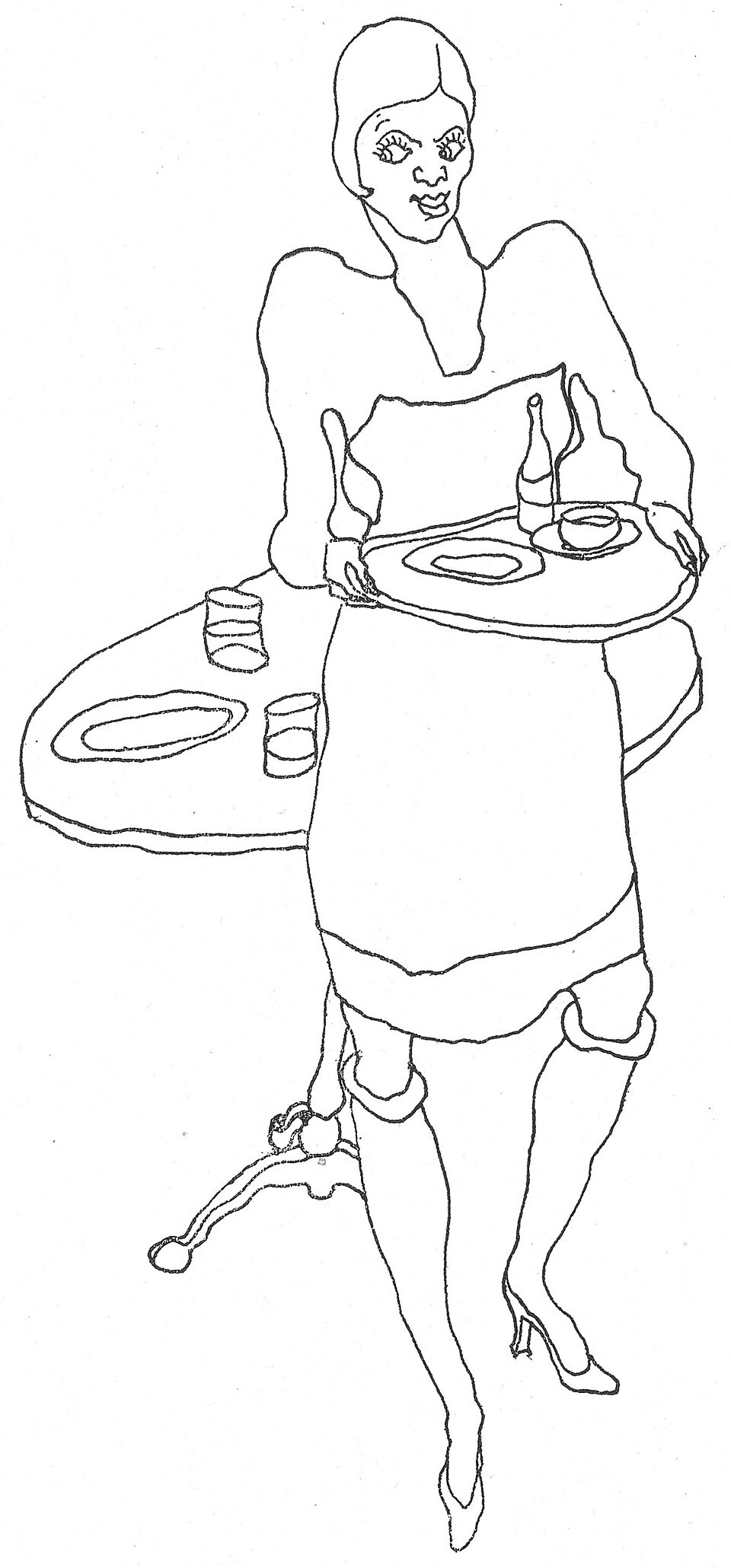
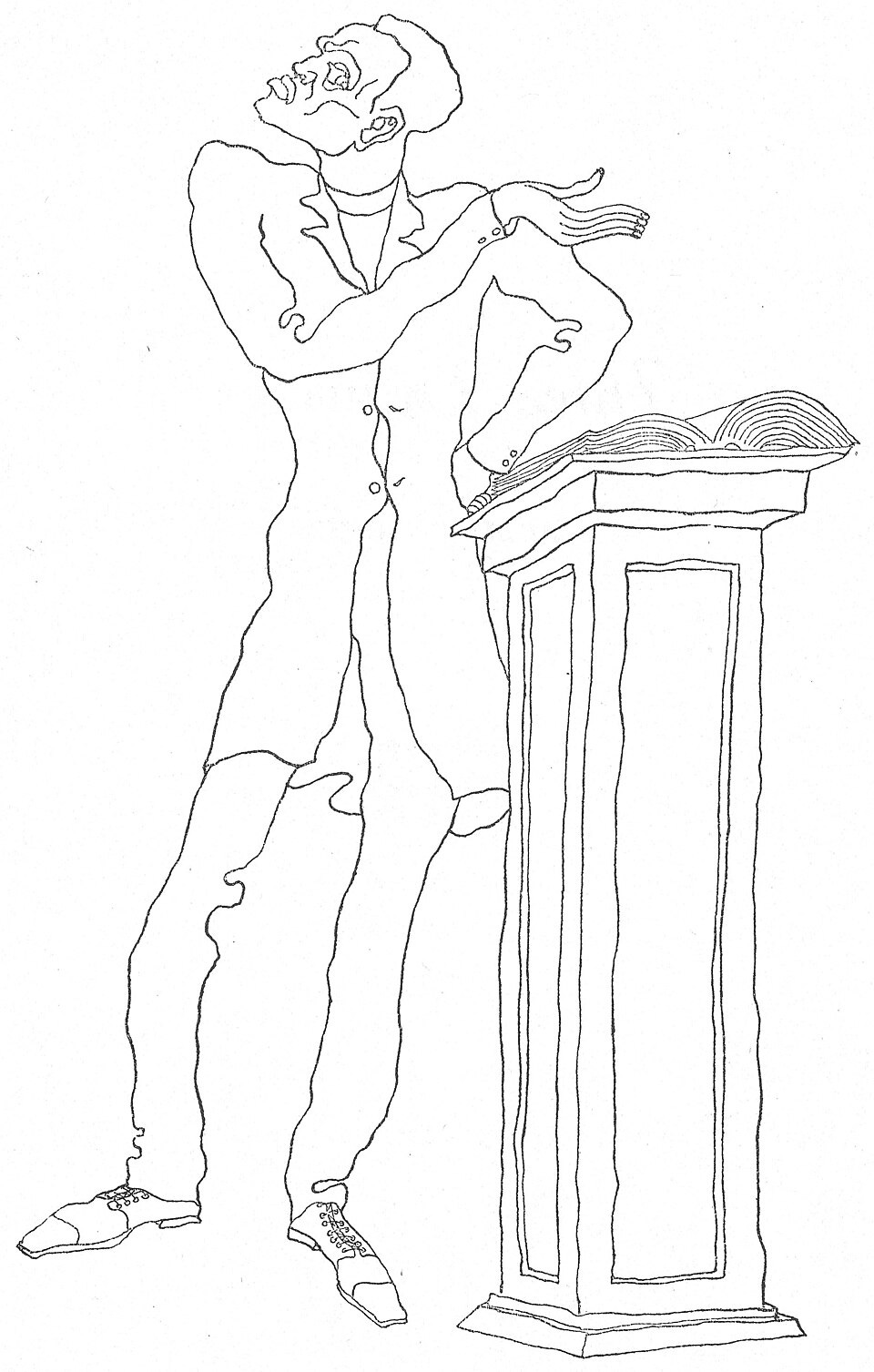
Collected by Countee Cullen for Caroling Dusk in 1927 and originally published in the modernist poetry magazine Palms, founded by Idella Purnell, this poem is at once wittily detached and painfully astute in its depiction of a disastrous spat. We love the way Fauset captures the intense emotion of a lovers’ quarrel—the many exclamation points scattered across the poem, the feeling of going ‘berserk,’ the love that lies ‘bleeding and dead’—and she makes the moment so immediate by directly quoting some of the things that were said and can now never be ‘unsaid.’ Committing them to a poem makes them even more permanent, yet also elevates them, transforming a banal fight into a work of art.
About the Author
Jessie Redmon Fauset (1882-1961) was a novelist who also served as literary editor of The Crisis from 1919 to 1927, overseeing its most productive and fertile period and supporting the careers of key writers of the Harlem Renaissance like Claude Mackay, Nella Larsen, Countee Cullen, Georgia Douglas Johnson, and Langston Hughes. After leaving The Crisis she focused on her fiction writing, supplementing her income by teaching French at a high school in the Bronx.
To Read Alongside
Try other poems of heartbreak, such as Willis Richardson’s “The After-Thought,” which was featured in a past newsletter
A short poem on love and silence

“The After-Thought”Oh that last night I said I did not care; But I was fretful from an angry sting; And in my petulance was unaware Of what great change a few hours’ thought would bring. Now you are gone, my days are bleak and long And vacant as a sail-deserted sea; Silent is my poor he…
Our newsletter on Countee Cullen also features a Harlem Renaissance-era love poem with a trick.
A grotesque and decadent love poem

Countee Cullen, “The Wise”(For Alain Locke) DEAD men are wisest, for they know How far the roots of flowers go, How long a seed must rot to grow. Dead men alone bear frost and rain On throbless heart and heatless brain, And feel no stir of joy or pain. Dead men alone are satiate; They sleep and dream and have no weight, To curb their rest, of love or h…
Suggest a LitHit!
Tell us your own favourites from literature you’ve read, and we can feature you as a Guest Curator. Just email us with the following information:
Your full name
The title of the book you’re suggesting
The location of the excerpt within the book (e.g., “in the middle of chapter 5”), or the excerpt itself copied into the email or attached to it (in Word)
Why you love it, in just a few sentences
About LitHits
Our curation is entirely human, done by our little team of Kirsten, Alex, and Daniel.
Feedback
We’d love to hear your thoughts on our newsletter:
kshepherdb@yahoo.co.uk
Graphic design by Sara Azmy
All curation content © 2026 LitHits. All rights reserved.
Thanks for reading LitHits! Subscribe for free to receive new posts and support my work.